
Alessia on Hip Hop as Culture, Comfort, and Community
From Italian boom bap that predates her own hip hop discovery to a Scarface and 2Pac track that makes room for hope in hardship, Alessia's picks reflect a listener who treats music as both inheritance and refuge.
Alessia (@nuncespins) listens to albums the way most people used to, start to finish, no skipping. If a record earns a place in her collection, chances are the whole thing does, not just the singles. Producer credits, sample origins, the era a sound is quietly borrowing from... these are the things she'll go digging for before she's even decided how a song makes her feel. Hip hop takes up most of her attention, and it's not habit. It's that the genre keeps giving her exactly what she's after: honesty, culture, craftsmanship she can trace back to where it started.
The August 23 to 25 prompts ask Alessia to name a non-English album she'd recommend, a song that reminds her life can sometimes be hard, and an artist whose new releases are an instant listen. The first sends her back to a specific pocket of European hip hop history she wasn't quite old enough to witness firsthand. The second pulls from two rap legends and becomes a meditation on hardship without hopelessness. The third lands on an artist she trusts completely, one whose growth over the years has tracked closely with her own.
Which non-English album would you recommend?
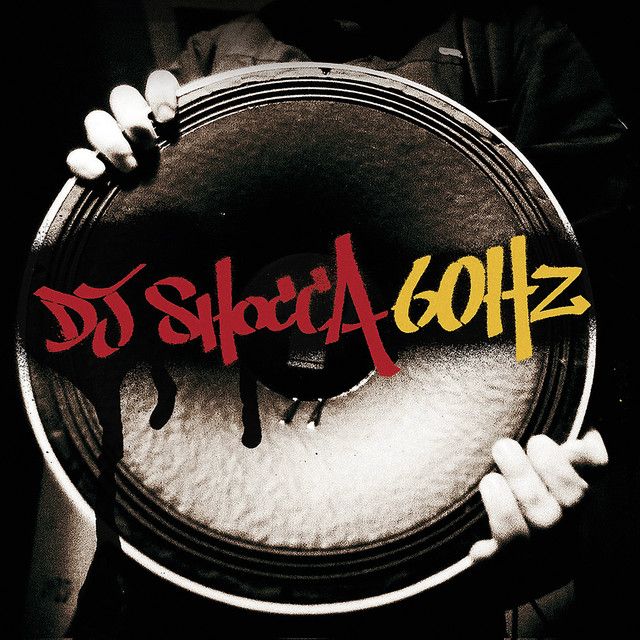
If I had to recommend one non-English album, I’d choose 60 Hz by DJ Shocca. It perfectly captures everything I love about hip hop, and it’s one of those records I wish more people outside of Italy knew about.
Released in 2004, I was still a kid when 60 Hz came out. I only discovered hip hop a few years later, but this was one of the very first albums that introduced me to the culture. Because of that, it will always hold a special place in my heart. Every time I listen to it, I feel like I’m stepping into a moment of Italian hip hop history that I didn’t get to experience firsthand. There’s something about its atmosphere, its warmth, and its unmistakable early-2000s sound that instantly transports me there. Somehow, every time I play it, I feel connected to that era. That’s something only a handful of records have ever managed to do.
When people talk about hip hop, the focus is usually on the rappers. For me, though, producers deserve just as much recognition. They shape the mood of a record, create its identity, and bring every collaboration together. DJ Shocca is one of the most respected producers in the Italian scene, and 60 Hz is the perfect example of why.
What makes this album so special is the balance it achieves. It features some of the finest voices in Italian hip hop, but it never feels like a random collection of guest appearances. Every beat, every verse, and every collaboration has a purpose. The production is soulful, timeless, and deeply rooted in classic boom bap, while still sounding fresh more than twenty years later.
It’s an album built with care, passion, and an incredible sense of community. To me, it’s a celebration of craftsmanship and collaboration, where every detail feels intentional. Even if you don’t understand a single word of Italian, I believe great music speaks beyond language. You can hear the passion, the chemistry between the artists, and the respect they all have for the culture. If 60 Hz encourages someone to discover Italian hip hop beyond the obvious names, then I think I’ve recommended the right album.


Which song reminds you life can sometimes be hard?
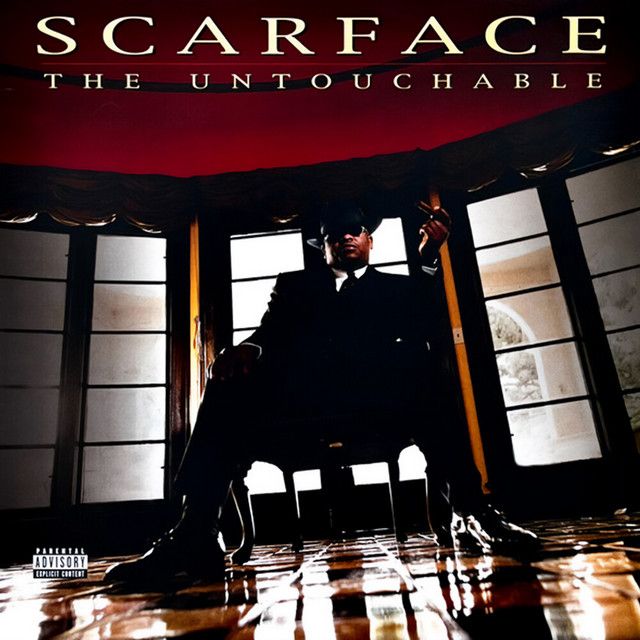
The first song that came to mind was “Smile” by Scarface featuring 2Pac, a track that has always reminded me that life can be incredibly challenging, but that hope and resilience can exist alongside hardship.
I’ve always believed that one of hip hop’s greatest strengths is its ability to talk about pain without pretending to have all the answers. “Smile” does exactly that. It acknowledges that life can be unfair, unpredictable and difficult, while reminding us that we still have to find the strength to keep moving forward.
The song opens with the line, “There’s gonna be some stuff you’re gonna see that’ll make it hard to smile in the future,” and I think that perfectly captures what growing up often feels like. As we get older, we all experience disappointment, loss, change and moments that challenge the way we see the world. Those experiences become part of who we are, whether we like it or not.
What I love most about “Smile” is that it never feels hopeless. Scarface and 2Pac don’t ignore suffering or try to romanticize it. Instead, they speak about it with honesty, resilience and humanity. That’s something I’ve always admired about hip hop: it creates space for vulnerability without confusing it with weakness.
Everyone carries struggles we know nothing about. Life can sometimes be overwhelming, but songs like “Smile” remind me that even in the darkest moments, there’s always room for hope, strength and the possibility of better days.

Which artist's new releases are an instant listen?
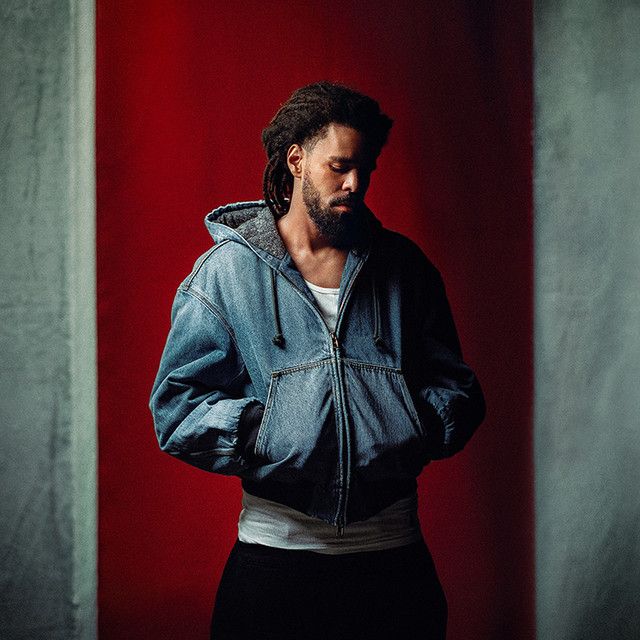
Without a doubt, J. Cole. There are very few artists whose new releases become an instant listen for me, but J. Cole has always been one of them. Every time he announces new music, I know I’ll stop whatever I’m doing and give it my full attention. That’s because I never feel like I’m simply listening to another collection of songs. Every project feels like a conversation.
What keeps bringing me back is his lyricism. J. Cole has a rare ability to write about personal experiences in a way that feels universal. Whether he’s reflecting on success, self-doubt, family or the pressures that come with growing older, his words always feel honest and intentional. He doesn’t rely on complicated metaphors just for the sake of sounding clever. Instead, he says a lot by keeping things genuine, and I think that’s much harder to do.
Another reason I always make time for his releases is that I trust his artistic vision. He has never chased trends or changed his identity to fit whatever is popular at the moment. Every album feels like a natural continuation of his journey, and that consistency is something I really admire.
More than anything, J. Cole is an artist who has grown alongside his audience. As I’ve grown older myself, I’ve found that different songs resonate with me for different reasons, almost as if they’ve evolved with me. That’s probably the biggest reason why every new release is an instant listen. I know I’ll leave with something to think about long after the music has stopped.
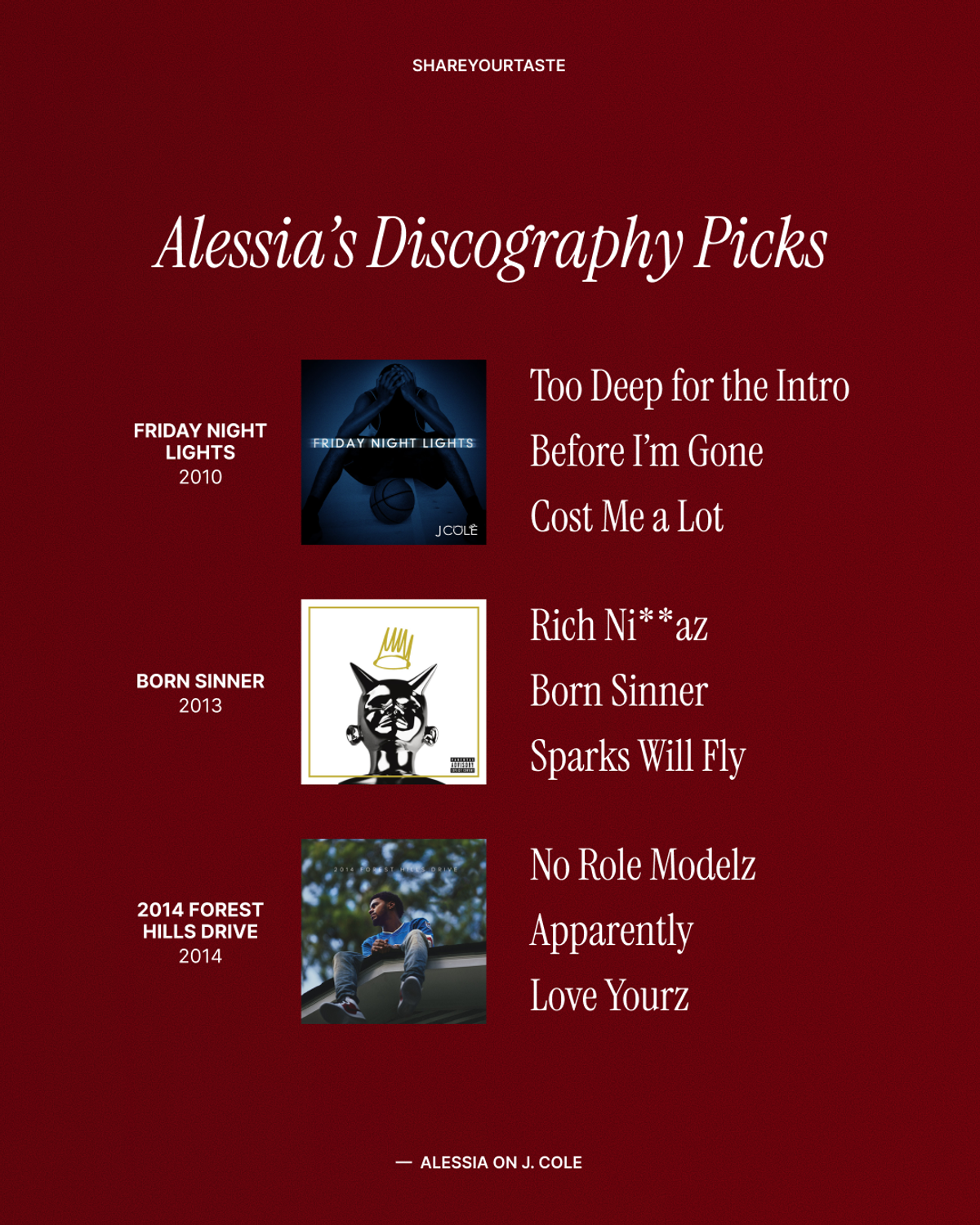

Alessia will tell you herself that she’s terrible at making playlists. Ask her to add her favorite songs from an album and she’ll probably just add the whole thing. It’s hard to argue with that logic after reading her answers. She’ll listen all the way through, then start looking into who produced it, where a sample came from, or what was happening around the record when it was released. That habit goes back to her first experiences with hip hop, which came through her older brother when she was a kid. Later came her first concert, and then those teenage nights online with other hip hop fans, waiting for new albums to drop and talking about every track.
That same connection has carried into her record collecting. For Alessia, vinyl isn’t what made her fall in love with music, but it gave her another way to experience it, and eventually another way to connect with people. Through her vinyl account, she has met people from different countries who share that same appreciation for music. She describes herself as an expat, hip hop head, record collector, bookworm, photo addict, and traveler, and music seems to have found its way into all of those parts of her life, whether she’s discovering another culture, remembering a particular chapter, or feeling connected to an era she never actually lived through.
Music has been something she could turn to when she needed to get away from things, but it has also been a way of learning and figuring herself out. Some of the friendships she values came through music, and her vinyl account has brought even more people into that part of her life, including listeners from countries she might never otherwise have connected with. The records may change, but that part hasn’t. For Alessia, music is still the place she goes to feel connected, understood, and at home.
A hip hop head and record collector whose curiosity always runs deeper than the tracklist, tracing producers, samples, and history.


