
When a Song Is as Colorful as the World Around It
From sounds that evoke cities to albums that echo cinema, Darren’s picks reflect a listener who experiences music as a web of culture, history, and creative influences.
Darren (@darrenfallen) approaches music like a web of connections. A city pop track can carry the feeling of a place he’s never been, an album cover can open a conversation about visual identity, and an artist discovery can become a reflection on an entire era of music. Across the July 15 to 17 prompts, his answers reveal a listener who finds meaning in the relationships between songs, artists, and the influences that connect them.
The prompts offer a closer look at the many directions those connections can take. One explores a song he'd recommend to a stranger, becoming a reflection on city pop, future funk, and the atmosphere that makes certain records unforgettable. Another centers on a favorite album cover from 2026, opening into comparisons between Tim Burton, fashion, and visual identity. The final prompt turns toward an artist discovered through another favorite, leading to a reflection between Lorde, coming-of-age cinema, and the sounds that defined an era.
What’s a song you’d recommend to a stranger?
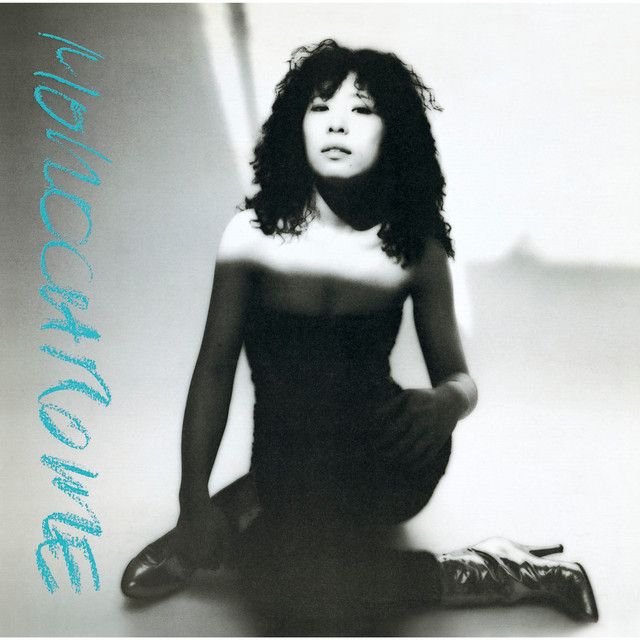
City pop has always been a Gen Z staple thanks to the internet. Human-built recommendations and views for “Plastic Love” during YouTube's peak before catering to algorithms and advertisers is indifferent to Anri's, Taeko Onuki's, and Junko Ohashi's record sales rising when the Walkman was released. An urban dream built on success thanks to Japan's boosting economy, just from listening to a track you can feel like a million bucks. This was playing in my local Japanese restaurant, and it caught me off guard. It's one of the many rare songs in which the title fits the sound.
Every single instance on the song just climaxes. The groovy, slick buildup — whether be Minako's bassline, guitar solo, or the evergreen choral boom of “sliding through the night, midnight driver, driverrrrr,” it just feels like those Osaka nights you wish you've experienced. I was honestly shocked that this song wasn't ever sampled yet.
Until I found for a future funk remix. A clear, sexed up sheen. I'm always a sucker for slick, smooth music regardless of country. The US has yacht rock. The UK has sophistipop. I love their revivals through vaporwave, indie pop and drumless. Minako Yoshida, however, gives me a sugary boost throughout. It keeps you wanting more.


What’s your favorite album cover from 2026 so far?
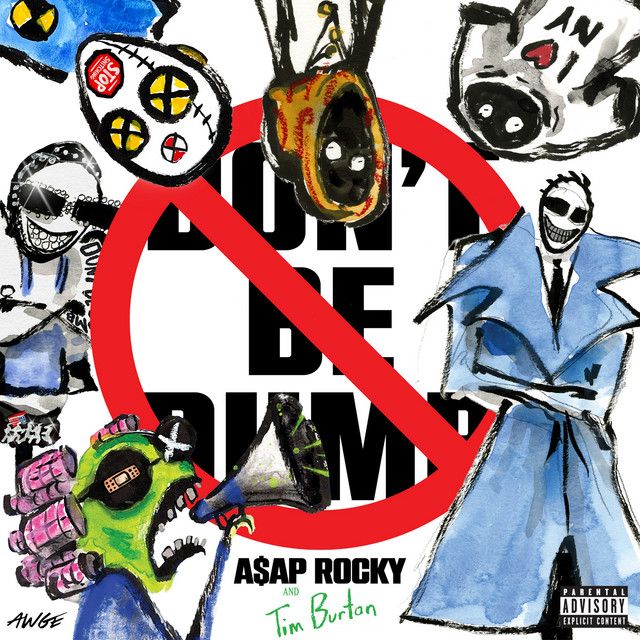
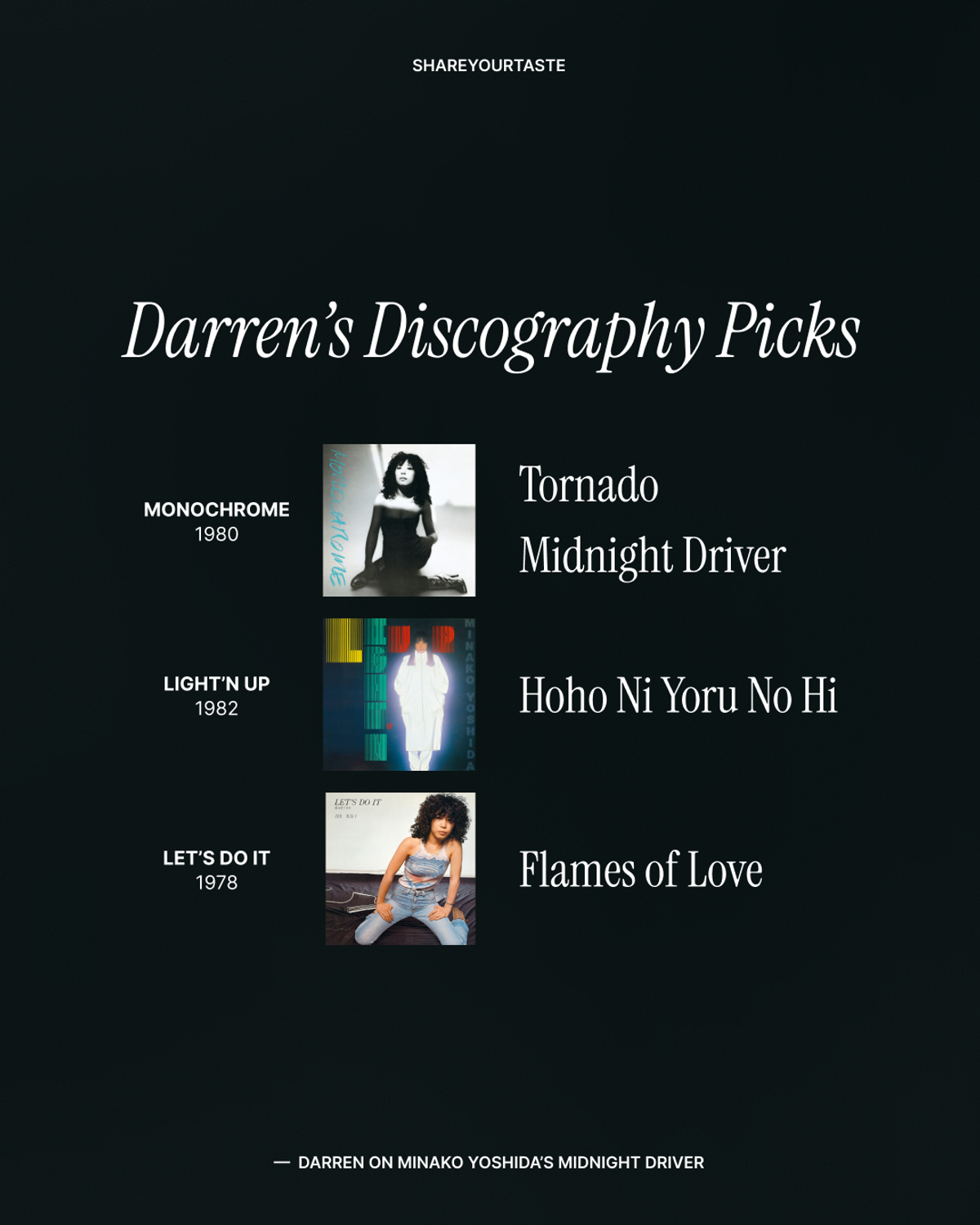
A$AP Rocky is the Tim Burton of hip hop. A pop culture buff in his childhood, both had a strong admiration of the vintage and the sheer will to receive their torch. Tim had kaiju and Universal horror films, A$AP had UGK and Rakim. Both started making their respective media at the age of 9, the age in which creatives understand about aesthetics and how they evoke a feeling to the consumer.
Both wanted to be gloomy, mysterious and languid. Edward Scissorhands and Live.Love.A$AP was a gateway to their fantasy world, their canvas that propelled them to auteur status, with the help of one unifying man and style.
Fashion ruled their lives. Tim’s modernisation of Victorian gothic gowns with the 80s goth rock scene and b&w TV grains allowed his characters to blend with his environment. A$AP’s Raf Simons sweaters and Rick Owens sneakers, mixed with Coach suits on a 90s brushing allowed himself to do the same.
The man that made them both reflect their swagger as they move around genres/platforms? Danny Elfman, no stranger to eccentricity. It’s not a head-scratcher why the latter illustrated the former’s cover, and nothing screams 90s nostalgia than the Playstation singles and the Die Hard-esque “Helicopter” video with the bouncy Petey Pablo sample.

Which artist did you discover through your favorite artist?
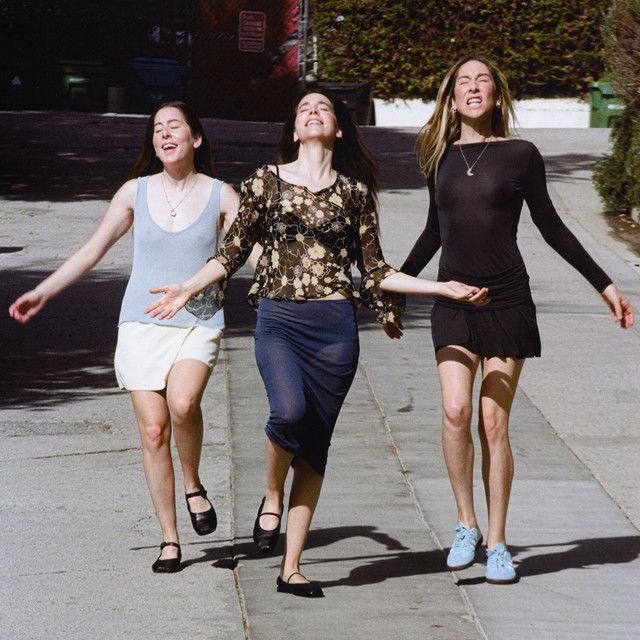
27 September 2013 might have been synonymous with Lorde dropping her iconoclastic debut Pure Heroine, but as a day that I consider recession pop's "death day", a trio of sisters dropped their debut Days Are Gone at the same time, associating millennials with soft rock sparkle, the sweet evergreen sound of Rechtshaid, Antonoff and Hynes as blueprints, a contrast to Joel Little's (Lorde's) minimalistic rap beats.
"Tennis Court"'s and "Buzzcut Season"'s small use of instrumentals could bore the listener after repeated listenings, hence Este Haim's stomping-guitar solo in "The Wire" felt like a cure, reminiscent of the romp in Sleigh Bells's work. "If I Could Change Your Mind" and "Forever" feels like being in the Urban Outfitters in Silver Lake...except I'm in Shah Alam, never stepped into the US, and sadly got into music in 2020 so I never had the chance to experience the blogger revolution...
"Don't Save Me" wipes Lorde's singles to the floor. The gallopping drums, their choral builds, it's no wonder they got into Taylor's wing later on. From the era of Scott Pilgrim, Perks of Being a Wallflower and Palo Alto, it's no surprise these two albums sound like coming of age films with the same message—escapism, romance, and friendship in the age of labels. Lorde was the mumblecore release: we view the mind of a jaded, cynical teen with the rough beats to boot. HAIM's was the Gerwig/Coppola release: the colours scream Palo Alto, Rechtshaid's synths scream pool parties and kissings under sunsets. If that doesn't scream the summer album, idk what does.

Darren listens with his eyes closed. Not because he is trying to block anything out, but because that is where another part of the experience begins. Notes become colors. Sounds become shapes. A song can turn into something he can almost physically interact with, something he can trace and build in his mind.
He gravitates toward the music blogs and publications that shaped online music culture, from Pitchfork, Fader, Gorilla vs. Bear, Stereogum, Hipster Runoff, and Altered Zones. That era was built by people who treated music as something worth obsessing over, where a strange recommendation could become a deep dive and a personal opinion could start an entire conversation. Long before everything was optimized and categorized, discovery belonged to people who cared enough to follow their curiosity. Darren’s listening seems to come from that same place.
A music obsessive and writer who sees songs as more than sound, tracing the histories, influences, and creative choices that make each artist and era unique.


