
The Kind of Listener Whose Favorite Genre Is Yes
From Taylor Swift to Tool, Sasha's picks reflect a physics teacher who understands gravity’s pull better than most, and feels music doing the same thing to her every single day.
Sasha (@sash.and.her.vinyls) moves through the April 5 to 9 prompts like someone who has never once let a genre boundary get in the way of a good song. The picks pull in different directions, like forces working from every angle: a cover she reads like a text, a deep cut that left a mark, an artist she fell into completely, an album for solo adventures, and a track that does the screaming when she's too tired to.
Five prompts, five very different answers. One asks which 2000s album cover feels iconic, and for Sasha that's Back to Black, a cover she can read like a text. Another goes after the non-single that stands out, and her answer is a closing track that had her in tears before it even finished. A third asks which artist she listens to most right now, and that's St. Vincent, a discography deep dive that started with a discovery session and never really ended. The fourth asks which album she'd take on a solo trip, and 1989 gets the nod without hesitation. The last one asks for a song that captures anger, and for Sasha that's Tool, a track she puts on when Maynard needs to do the screaming for her.
There's a precision to the way Sasha listens that probably comes naturally to a physics teacher. She doesn't just hear a song, she reads it, pulls it apart, finds the moment that does the most work. The chalkboard marks on Back to Black. The 25-second scream in The Grudge. The exact feeling of 1989 shifting between joy and introspection depending on where you are in the journey. What comes through across all five picks is someone who understands that in both physics and music, every force has an effect, and she's always paying attention to what that effect is.
Which album cover from the 2000s feels iconic?

For me, the album cover of Back to Black is iconic because its simplicity but full of emotional depth. Amy is sitting on a stool looking at us, in front of a black background that looks like a chalkboard. Her loose hair and appearance show that she wants to show her true self in this album. The blackboard seems to represent her life, and the drawings could show her struggles, her inner demons, and past pain. You can also see faint chalk marks, as if she wanted to start over, but some experiences leave a mark that she expresses through her art. This feeling continues in the songs on the album, where she talks about her heartbreaks, the addictions, her vulnerability. A true work of introspection that gives you chills every time.
Unlike many 2000s album covers that are full of effects and editing I saw over the years, this one is raw and authentic. It’s iconic because the cover attracts attention through emotion instead of extravagance.
The cover is more than just a picture: it became a symbol, a statement.
On her stool, she is looking right into our hearts like she’s saying “This is me, what I’ve been through, how I feel about it, my way to express and to process this.” The result is one of the favorite albums of all time. When the album came out, I was very young, I still remember that the songs were everywhere, and they left a permanent mark on me, with her deep lyrics and her unique vocal style.


What’s a non-single that stands out in an album?
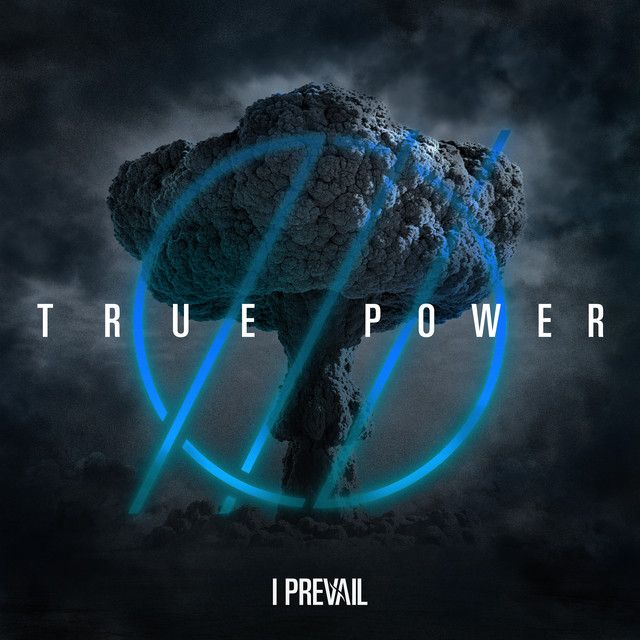
This song closes I Prevail’s True Power album, and it is absolutely beautiful. To me, what makes it stand out is the delicacy of its melody combined with gut-punching lyrics. The entire album plays on this balance between self-discovery, past traumas that shape who we are, anger toward those who have hurt us, but also the idea that “true power” (no pun intended) lies in expressing your emotions without shame, without fearing others’ judgment, facing life’s hardships, and holding on to hope for a brighter future.
This song alone brings together most of the album’s themes. It explores the inner battle with one’s demons, the feeling of losing control and the fear of the future, self-acceptance, and an awareness that life is short and deserves to be lived. The lyrics may seem dark, but they give words to complex subjects and try to find meaning in the chaos.
I remember when I first listened to this album—after crying more than once because the themes in the lyrics resonated so deeply with my personal life—I came across this track, and it completely knocked me down.
Another thing that makes this song stands out, is the way it lingers after it ends, leaving an emotional impact that is hard to shake off. It feels almost therapeutic, as if the band is giving a voice to emotions that are often difficult to express. In that sense, it’s not just a song, but a closure to a cathartic experience, that stays with you for a long time.

Which artist do you listen to the most right now?
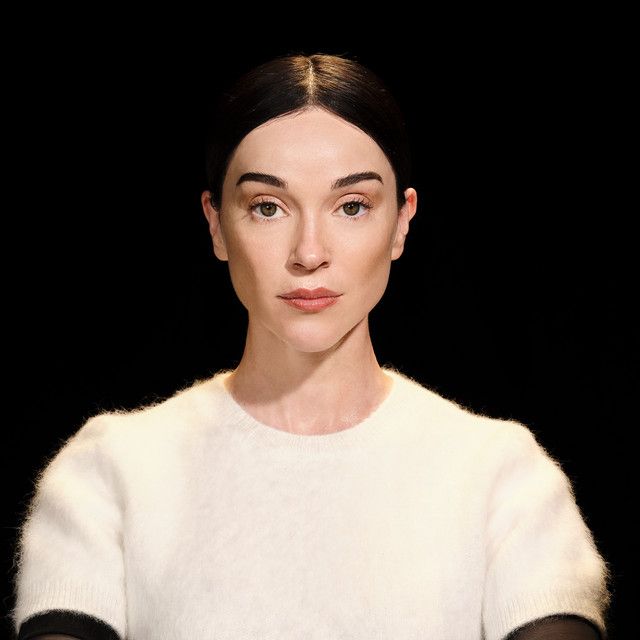
St. Vincent is one of those artists I’ve known about for quite a few years, but without really realizing it or even knowing who she was. I remember “Rosyln” featuring Bon Iver, from the Twilight: New Moon soundtrack. Then I learned that she has worked with many artists that I love, like Taylor Swift (on “Cruel Summer”) or Olivia Rodrigo (on “Obsessed”). This motivated me to do a discovery session of her entire discography. And I have to say, I came away dazzled by so much talent, boldness, and artistry. It was one of my favorite moments of 2025 to do these sessions and to share them with my community and my friends.
Since then, not a day goes by without me listening to at least one of her songs. Her music is always so technically accomplished, with such a rich blend of sounds that gives it a unique identity. The albums I keep on repeat are the self-titled record, Masseduction, and Daddy’s Home—especially Masseduction, which blends electro, pop, and rock sounds with lyrics steeped in biting criticism of consumer society, addiction, and materialism.
What makes me listen to her music the most is her artistic identity, both visually and musically, which feels meticulously crafted and deeply expressive. Each era seems to tell its own story, with a clear aesthetic and emotional direction. Her ability to reinvent herself while staying true to her core style makes her stand out even more in today’s music landscape. I hope I’ll get to see her live someday. I can’t wait to explore her future projects.

Which album would you take on a solo trip?
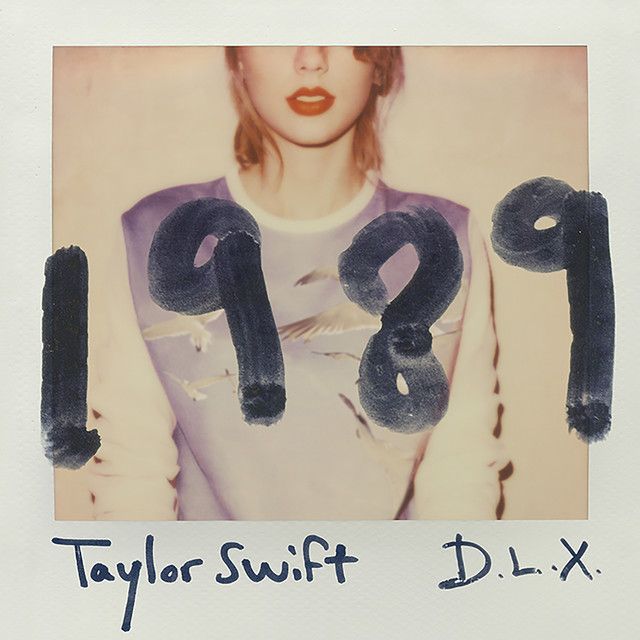
If I had to take only one album on a solo trip, it would without hesitation be the legendary fifth album by Taylor Swift: 1989. On the one hand, because this album is among those that have had a significant impact on my life and my musical tastes, but also because it represents, for me, a true soundtrack of freedom, enriched by an introspective dimension that is particularly well suited to traveling alone.
In my opinion, 1989 is one of the artist’s best albums, notably thanks to its musical coherence and the turning point it marks in her career.
By moving away from her country roots to fully embrace pop, she creates a soundscape that is both joyful and nostalgic—perfect for accompanying the many emotions experienced while traveling: the excitement of discovery, the melancholy of quiet moments, and the feeling of independence.
Songs like “Welcome to New York” or “New Romantics,” with their catchy melodies, immediately evoke the idea of new beginnings and exploration. In contrast, tracks like “Clean” or “This Love” offer more introspective moments, which are essential when you find yourself alone with your thoughts.
What I particularly appreciate about this album is its ability to create a cohesive atmosphere while offering a wide range of emotions. Each track seems to correspond to a specific moment in the journey. 1989 then becomes much more than just an album: it turns into a true travel companion, capable of making every moment more intense and memorable.

Which song perfectly captures a feeling of anger?

“The Grudge” is the opening track of Lateralus, the third album by Tool, released in 2001. This song is, in my view, representative of the album as a whole: a blend of bold soundscapes and deep, essential themes. For me, it is one of Tool’s most straightforward songs. It truly captures, at its core, the feelings of anger, hatred, and resentment that one can experience—not necessarily toward others, but also toward oneself. In writing this song, the band likely aimed to confront those who feel resentment toward others with their own emotions and guide them back to a form of reason.
Lines like “Wear the grudge like a crown of negativity” or “Terrified of being wrong, ultimatum prison cell” show that when we feel anger toward someone, we tend to express it openly, but we are also afraid of being wrong about the reasons behind that resentment. As a result, we lock ourselves in a kind of mental prison. As a chronic overthinker, I know how much emotions, dark thoughts, or words can have a huge impact—making me hold resentment toward someone or feel like someone resents me.
The key moment of this song—the one that immediately stood out to me—is Maynard’s famous scream, which lasts nearly 25 seconds. This scream is the pure definition of rage: anger built up over a long period that finally bursts out in a raw and powerful way.
One of my small personal rituals is listening to this song on my way home from work, especially when the day has been particularly difficult mentally. It feels like I don’t have to scream—Maynard is screaming for me, giving me the space to release all the negativity that has built up throughout the day, especially when I’m too exhausted to do it myself.

Sasha's picks don't share a genre, they share a gravity. Some pull you inward, like a cover that tells you everything before you press play. Others pull you deeper, like an album that makes every moment of a solo trip feel more alive. What connects them is a listener who knows that in physics and in music, a force that moves you doesn't just stop, it takes you somewhere new.
A physics and chemistry teacher from France for whom music, like science, is always asking a question worth answering. Eclectic, passionate, and never just listening from a safe distance.


